12-Hour Bus Rides Stretch Budgets Across 2026 World Cup Tri-Nation Route
The 2026 FIFA World Cup will be the first to span three host nations: the United States, Canada, and Mexico. For fans hoping to follow their team across group-stage matches, the distances are staggering—over 4,000 miles separate the furthest venues. While flights can cut travel time, they also drain budgets quickly. A growing number of supporters are turning to buses, accepting 12-hour overnight rides as the price of attending multiple games. Below are the real costs, the planning required, and the trade-offs that shape the fan experience.
The Tri-Nation Route Makes Every Match a Marathon
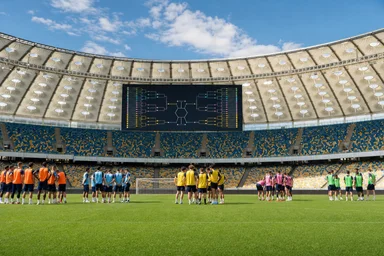
The 2026 tournament will use 16 venues spread across the three countries. From Vancouver’s BC Place to Mexico City’s Estadio Azteca, the straight-line distance exceeds 2,500 miles, and actual road travel can stretch beyond 4,000 miles for fans attending a semi-final in one nation and a final in another. Unlike previous single-country World Cups, where a fan could base themselves in one city and take short train rides, the 2026 edition forces multi-day journeys.
Air travel between host cities is not always convenient. A direct flight from Los Angeles to Toronto takes about five hours, but round-trip tickets during the tournament are expected to cost $800 or more, according to early pricing models from travel analysts. For a family of four, that adds up quickly. Bus travel, while slower, offers a cheaper alternative. A Greyhound ticket from Los Angeles to San Francisco—a route that could connect two group-stage venues—costs under $50 if booked early, but the ride takes roughly six to eight hours. Cross-border trips like Mexico City to Monterrey take about 10 hours by bus, with fares around $60–$80.
The time commitment is significant. A fan attending back-to-back group matches in different cities might spend 24 hours on a bus over a four-day period. That is roughly equivalent to a transatlantic flight from New York to London. The fatigue is real, but for many, it is the only way to stay within a reasonable budget. As travel planner Sarah Jenkins noted, "You either pay with time or with money. During a World Cup, most fans have more of the former."
Bus Companies Already Plan Extended Schedules
Major bus operators are preparing for the surge. Greyhound, FlixBus, and regional providers in Mexico are expanding cross-border services and adding overnight routes. FlixBus, which entered the U.S. market in 2018, already runs a network that connects many host cities. In 2024, the company announced plans to increase its fleet by 20% in time for the tournament, focusing on routes between Los Angeles, Las Vegas, and Phoenix—all potential venue cities.
Pre-booking discounts, however, will vanish months before kickoff. Historical data from the 2018 World Cup in Russia shows that bus ticket prices rose 40–60% during the tournament compared to the same period the previous year. A similar pattern is expected in North America. Fans who book early can lock in lower fares, but those who wait risk paying double. For example, a bus from Mexico City to Guadalajara—a three-hour drive normally costing $30—could climb to $50 or more during match windows.
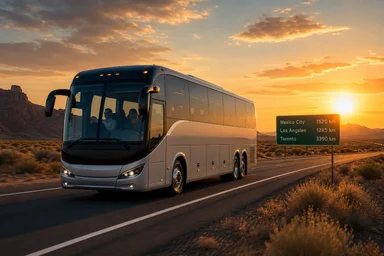
Overnight buses offer a dual benefit: they save on a night’s accommodation and reduce travel fatigue for those who can sleep on a moving vehicle. But not all buses are equal. Some operators provide reclining seats, Wi-Fi, and power outlets, while others are basic. The difference in comfort can be stark. A $99 weekly bus pass from FlixBus might include unlimited rides, but the seats are standard coach class. For an extra $20, a fan can upgrade to a “plus” seat with extra legroom—a small investment for a 12-hour ride.
Cross-border travel adds another layer of complexity. Buses crossing from the U.S. into Mexico face customs delays that can add one to two hours to the journey. Some operators have streamlined the process by pre-clearing passengers, but delays are still common. A fan traveling from San Diego to Tijuana for a match might spend more time at the border than on the road itself. Planning for these buffers is essential.
Accommodation Costs Force Fans to Sleep on Wheels
Hotel prices in host cities are expected to triple or quadruple on match days. During the 2014 World Cup in Brazil, hotel rates in Rio de Janeiro jumped from $100 to $400 per night near the stadium. Similar spikes are anticipated in 2026. Airbnb listings near venues in Los Angeles, Toronto, and Mexico City are already priced at $500 or more per night for match dates, according to early listings scraped by travel sites. Hostels, which normally charge $30–$50 a night, book out six months in advance.
For budget-conscious fans, sleeping on a bus becomes an attractive option. An overnight bus from Vancouver to Seattle—a four-hour drive—costs around $30 and arrives early in the morning. The fan saves a night’s hotel bill and arrives at their destination ready for the match. The trade-off is lost sleep and the risk of arriving groggy. Some fans report using travel accessories like neck pillows, eye masks, and noise-canceling earplugs to improve sleep quality on buses. Portable chargers are essential, as most buses have limited power outlets.
Fan campsites have been proposed near some venues as an even cheaper alternative. In Mexico, the city of Monterrey has discussed setting up temporary camping grounds with basic amenities for $20 per night. Similar plans are being considered in the U.S. for venues in less dense areas. But camping comes with its own challenges: weather, security, and the need for a tent and sleeping bag. For most international fans, a bus seat is more practical.
The math is straightforward. A fan attending three group-stage matches over ten days could spend $1,500 on accommodation if they stay in hotels, or $300 if they sleep on buses three nights. The bus option requires sacrificing comfort and time, but it frees up money for tickets and food. As travel blogger Mark Rivera wrote, "Your bed becomes a revolving chair for a week. It's not glamorous, but it's how you afford to see your team play."
Group Stage Scheduling Creates Logistical Nightmares
The group stage draw, scheduled for late 2025, will determine which teams play where. But fans who follow a specific team may face back-to-back matches in different time zones. For example, a team might play in Los Angeles on a Wednesday and then in Toronto on a Friday—a distance of 2,200 miles that takes two days by bus. The only way to attend both matches is to fly or skip one. Many fans will have to choose which game matters more.
Ticket resale markets already reflect these distance penalties. On secondary platforms, tickets for a match in a city that is hard to reach from the previous venue tend to be cheaper. A 2023 study of resale prices for the Women's World Cup in Australia and New Zealand found that tickets for matches requiring long travel between venues sold for 20–30% less than comparable matches in easily connected cities. The same dynamic is expected in 2026.
The scheduling also affects how fans plan their bus routes. A fan attending matches in three different cities might need to book three separate bus tickets, each on a different day. Missing a connection could mean missing a match. Some operators offer flexible tickets that allow changes for a fee, but that adds cost. The safest approach is to build in a buffer day between matches—but that means extra accommodation or another night on a bus.
For die-hard supporters, the logistical puzzle is part of the adventure. Fan forums are already sharing spreadsheets with estimated travel times, costs, and backup plans. One popular thread on a World Cup travel subreddit lists “optimal bus routes” for every possible group scenario. The creativity is impressive, but it underscores the unpredictability of the tri-nation format.
Budget Comparisons Favor Bus Over Plane
A direct comparison of costs shows why buses are winning over budget travelers. A round-trip flight from Vancouver to Guadalajara during the tournament is projected to cost $800–$1,200, depending on the airline and booking date. A bus ticket for the same route, which takes roughly 30 hours each way (including a transfer in Seattle or Los Angeles), costs under $200. The savings are even larger for shorter routes: a flight from New York to Philadelphia is $150 round-trip, while a bus costs $40.
Fuel surcharges are adding to airfare increases. In 2024, several airlines announced surcharges of up to 30% on domestic routes due to rising jet fuel prices. By 2026, those surcharges could be higher. Bus companies, which use diesel, face similar pressures, but their base fares are lower. A bus pass offering unlimited rides for $99 per week—available from FlixBus and Greyhound during promotional periods—makes multiple-game attendance feasible for as little as $15 per day of travel.
Group discounts further tilt the balance. Bus companies offer reduced rates for parties of four or more. A family of four traveling from Mexico City to Monterrey could pay $200 total for bus tickets, compared to $1,200 for flights. Student discounts of 10–15% are also available on some routes. For young fans and backpackers, the bus is the only realistic option.
However, the time cost is real. A flight from Los Angeles to Toronto takes five hours; a bus takes two days. For fans with limited vacation days, flying might be the only way to see multiple matches. The trade-off is clear: money versus time. A fan with a flexible schedule and a tight budget will choose the bus. A fan with a high-paying job and limited time off will fly. The tournament will serve both, but the bus riders will see more of the continent—and more of their team.
Local Transit Authorities Prepare for Surge
Host cities are upgrading their public transport to handle the influx. Mexico City is expanding its bus rapid transit (BRT) lines, adding dedicated lanes to the Metrobús system that connects the airport to the Estadio Azteca. Toronto is adding overnight streetcar service on key routes during match days, and Los Angeles is opening dedicated shuttle lanes from Union Station to the SoFi Stadium area. These improvements will help fans get from bus terminals to stadiums without expensive taxi rides.
Cross-border permits for charter buses have been streamlined. The U.S., Canada, and Mexico agreed in 2023 to a simplified visa process for bus operators, allowing them to carry fans across borders without individual passenger visas, as long as the group stays together. This reduces border crossing times for charter tours. Volunteer guides will be stationed at major bus terminals in all three countries to help foreign fans navigate local transit.
But local systems will be tested. During the 1994 World Cup in the U.S., Los Angeles saw subway ridership increase by 50% on match days. In 2026, the numbers are expected to be higher. Some planners worry that bus terminals near stadiums will become bottlenecks. The Port Authority Bus Terminal in New York, for example, already handles 200,000 passengers daily; a match day could push that to 300,000. Emergency plans include overflow parking at remote lots with shuttle buses to the stadium.
The challenge is not just capacity but coordination. A fan arriving by bus in Toronto at 6 a.m. for an 8 p.m. match has 14 hours to fill. Cities are setting up fan zones with screens, food stalls, and luggage storage near terminals. These zones provide a place to rest and charge devices without spending money on a hotel. For bus travelers, these spaces are a lifeline.
Packing Strategy Becomes a Survival Skill
With limited luggage space on buses and no guarantee of a hotel, packing light is essential. Experienced World Cup travelers recommend a single backpack containing a change of clothes, toiletries, a neck pillow, an eye mask, and noise-canceling earplugs. A portable charger or power bank is critical, as bus outlets are often insufficient. Snacks and a refillable water bottle help avoid overpriced convenience store items during long stretches.
Travel insurance that covers missed connections is a smart investment. Bus delays are common, especially during weather events or border slowdowns. A policy that reimburses for missed match tickets or rebooking fees costs roughly $30–$50 for a two-week trip. Some credit cards offer this coverage automatically, but fans should check the fine print. A missed connection could mean a missed match, and tickets are non-refundable.
Clothing should be layered for temperature changes. A bus that is freezing at night might be sweltering during the day. A lightweight jacket that doubles as a blanket is useful. A small padlock for luggage storage at hostels or fan zones adds security. And a printed copy of the bus itinerary and match tickets—in case phone batteries die—is a backup that many overlook.
Beyond the basics, savvy travelers also bring a small first-aid kit with pain relievers, antacids, and bandages, as finding a pharmacy in an unfamiliar city can be time-consuming. A reusable shopping bag is handy for carrying souvenirs or extra layers. Some fans swear by a travel hammock for resting in parks during layovers, though this is optional. The key is to minimize weight while maximizing utility. Every ounce counts when you are carrying your home on your back for two weeks.
The most important item, however, is patience. A 12-hour bus ride with 50 other fans, each carrying their own hopes and frustrations, can test anyone's nerves. But it is also where friendships form. Shared travel creates bonds that last beyond the tournament. As veteran traveler James O'Brien, who followed the 2018 World Cup by bus across Russia, said, "You meet people on the bus who become your match-day crew. By the time you arrive, you're already celebrating together." The bus, for all its discomfort, becomes part of the World Cup story.
In the end, the 2026 World Cup will test fans' endurance and resourcefulness like never before. The tri-nation format adds complexity, but it also offers a unique opportunity to experience three distinct cultures. Bus travel, while demanding, enables fans to see more than just the matches—it lets them see the continent. Whether that trade-off is worth it depends on each fan's priorities, but for those willing to embrace the journey, the rewards can be unforgettable.